


Only 364 more sleeps until WSER 2027.
After watching nearly every minute of the 2026 Western States 100, these were the ten ideas I couldn’t shake. For the full discussion and context behind each point, listen to this week’s episode of the Borderlands Trail & Ultra Running Podcast.
Or watch:
1. Dylan Bowman Really Is the Voice of Trail Running
Whether by design or circumstance, Dylan Bowman has become the primary narrator of the sport’s biggest race. The question isn’t whether he’s good enough. Thank God he is. The question is what responsibility comes with Freetrail being so intertwined with the institution of WSER.
2. The Broadcast Knows Where Everyone Is
Technology has largely solved the “where” problem. Storytelling still has to solve the “who” problem. Commentators had issues knowing who was on screen and sometimes they had issues knowing why those on screen mattered.
3. We Don’t Care About Places. We Care About Stories.
Hans Troyer running in first was never the story. Hans Troyer emptying himself to change the race was. Places matter because they tell stories inherently. Can we put the effort into telling stories that aren’t as legible on the surface?
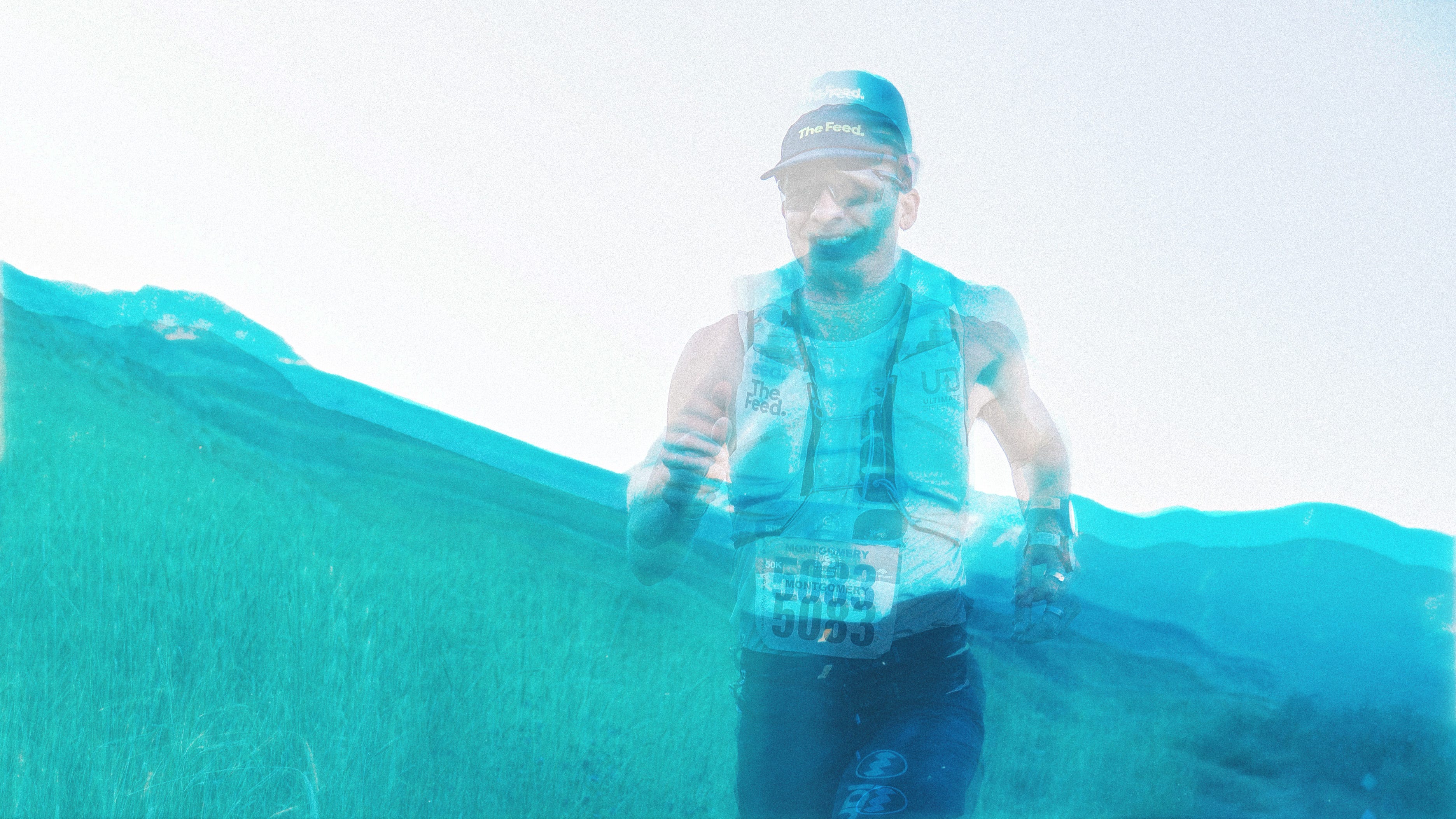
4. We Interviewed the Wrong People... Or Did We?
Looking back, FreeTrail and Singletrack interviewed five of the six eventual podium finishers. The issue wasn’t who got interviewed. It was how difficult it still is to introduce tomorrow’s protagonists before they become household names.
5. Whose Job Is It to Find Tomorrow’s Stories?
Thomas Cardin arrived at Western States as a Golden Ticket winner that many English-speaking fans barely knew. Once he became relevant during the race, the broadcast needed his story immediately. Someone has to own that work.
6. Hans Troyer Was the Rabbit I’ve Been Waiting For
Hans may not have won Western States, but he changed it. His willingness to attack early forced everyone else to make decisions they otherwise might not have made. Great competitors don’t just win races. They change them.
7. The Americans Ran Western States Like They Used to Run UTMB
The American men attacked early while many of the Europeans remained patient and disciplined. Francesco Puppi ignored the script, matched the aggression, and somehow had the engine to sustain it. It was one of the most fascinating tactical races we’ve seen.
8. Western States Has Outgrown Its Broadcast
Covering the men’s and women’s races simultaneously increasingly feels impossible, not because the production is lacking, but because both races deserve full attention. That’s a sign of growth, not failure.
9. The Broadcast Should Never Become the Story
The personalities in the booth matter, but the race should always remain the protagonist. The best commentary helps viewers disappear into the action rather than reminding them who’s holding the microphone.
10. Trail Running’s Next Frontier Is Context
Billy Yang and Mountain Outpost have fundamentally raised expectations for live production. The next leap won’t come from another drone or another camera angle. It will come from helping fans understand why every moment matters.

Play 8 Bit Trail Running and race like your Slim Tallsley.
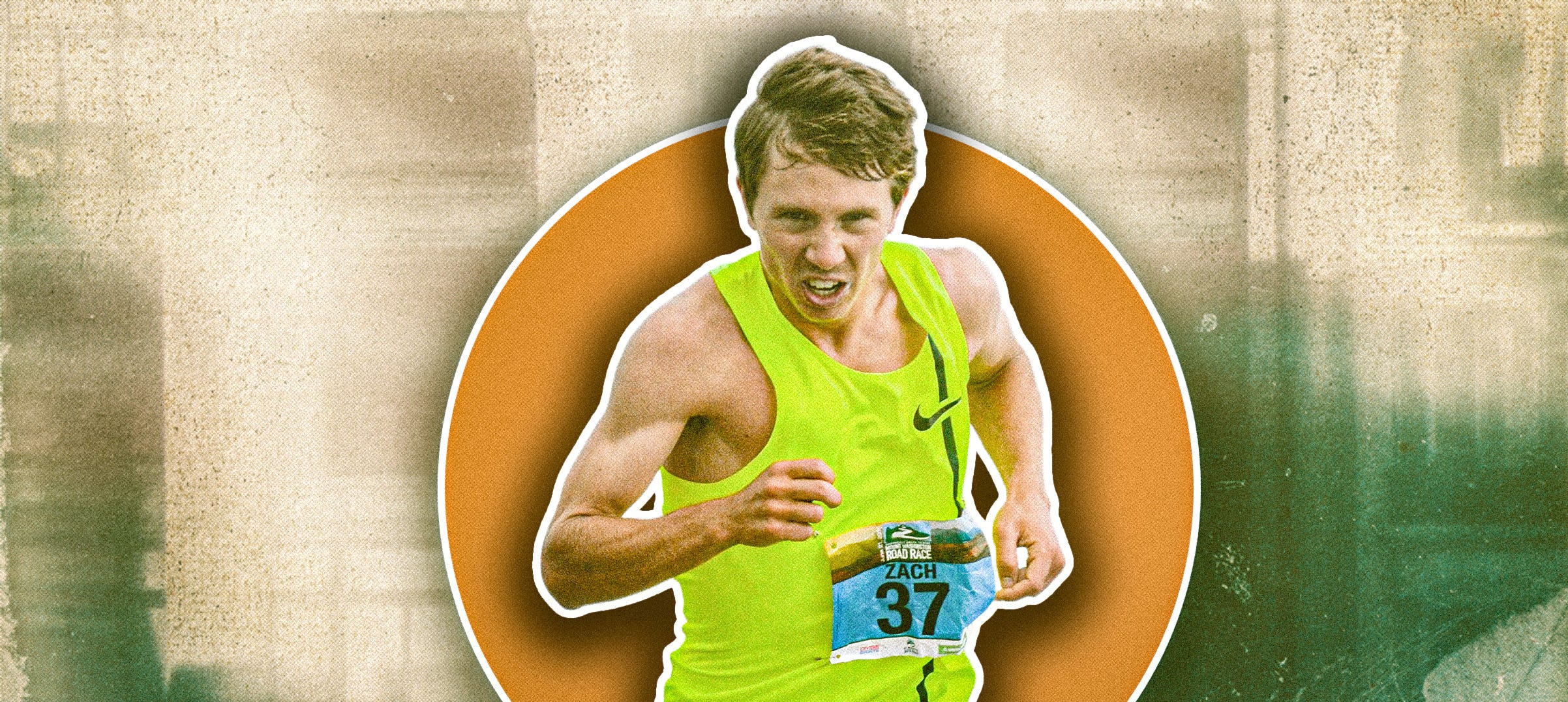
Zach Got the Fight He Wanted
"But Zach Miller is not interesting because he is old. He is interesting because he still races like the fight is personal.
At Hardrock, when the day went bad, he still wanted to know where the guys ahead of him were. At Worlds, he still wanted Adam Peterman. Even in a workout in Bend, he joked about not wanting someone to beat him. That part is not gone. Maybe it never goes.
Full article by Bryce Carlson
Super exciting reflections! thanks for this.
I’m glad you mentioned Dbo. I had a similar observation that crystallized when the second set of commentators came on for the overnight shift.
They had so many fresh perspectives it really highlighted how there’s an almost infinite number of potential storylines. Whoever has the mike doesn’t just tell us what’s happening in the race, they pick the storylines that get followed and told.
My big takeaway was how much richer the experience was as a viewer when there were more narrators and storylines.
I love Dbo and think he does an amazing job all the way round but in an event as rich and dynamic as Western States there’s no way one person can do justice to all the roles he plays.