


We talk about trail running as if it has a single culture. Much of the tension in the sport comes from that assumption. Today, I explore the difference between the participation sport and the elite sport, and what we miss when we treat them as the same thing.
It made sense to conflate these two when the sport was smaller.
It makes less sense now.
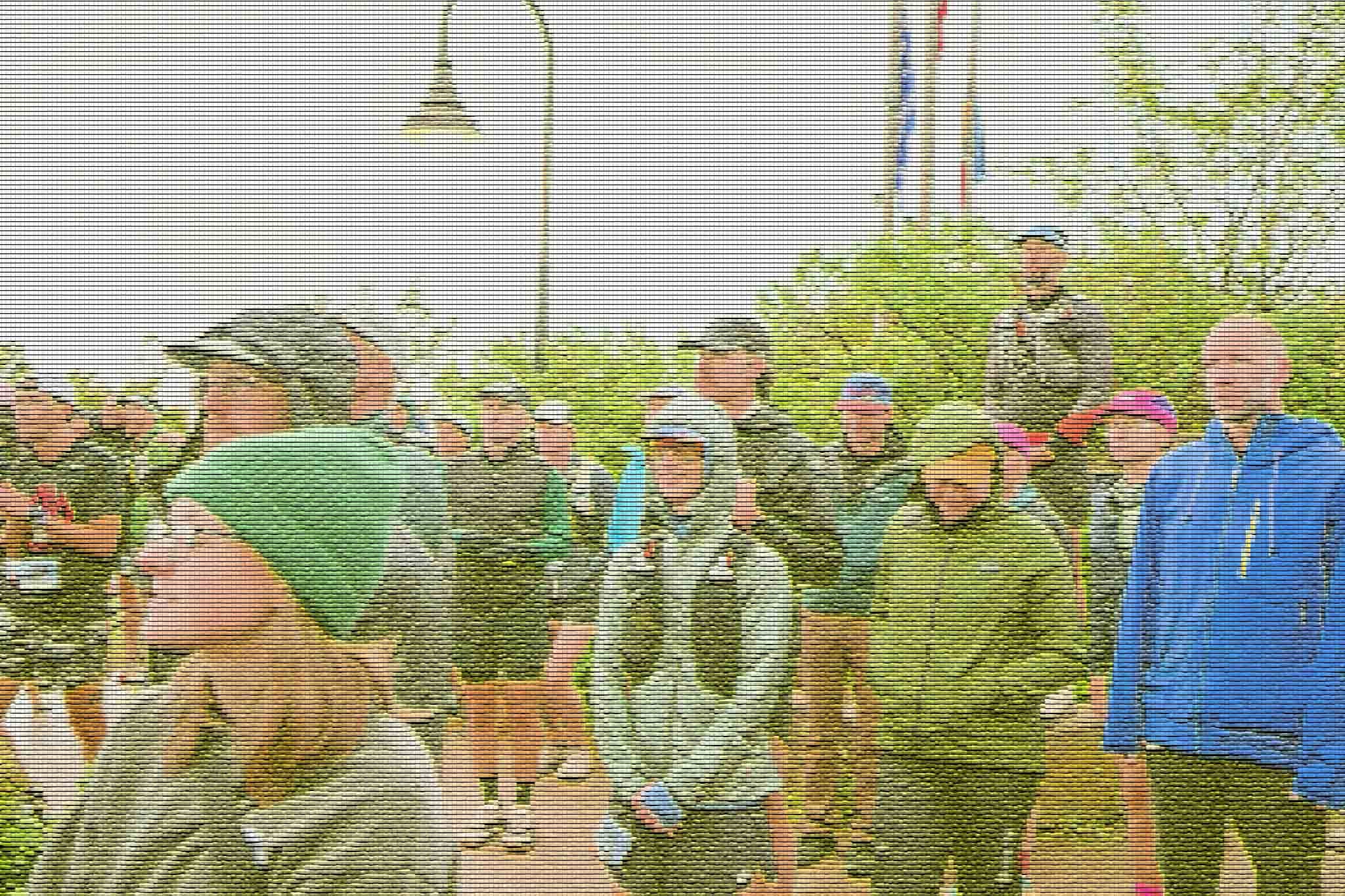
The runner showing up to their first 50k and the athlete trying to win Western States may be participating in the same type of event, but they are not participating in the same experience. Everything from training to race day are completely different. Motivations, incentives, desired outcomes. All of it.
The first athlete is often pursuing some combination of challenge, community, self-discovery, health, adventure, personal transformation.
The second is trying to beat everyone else.
That distinction sounds obvious yet trail running often struggles to make it.
As a result, the values of the participation sport frequently become the values through which we interpret the elite sport.
That creates a strange dynamic.
Trail running loves winners. The most celebrated figures in the sport are celebrated because they win. Jim Walmsley, Courtney Dauwalter, Kilian Jornet, Scott Jurek, François D’Haene. Their accomplishments sit at the center of modern trail running culture and have been leveraged into creating new entrants and motivating veterans alike.
Yet the language surrounding those athletes often emphasizes traits adjacent to competition rather than competition itself. We talk about humility, gratitude, balance, community, environmental responsibility, and personal growth.
Those qualities may all be real.
The issue is not that they are false. The issue is that they are often easier for the culture to discuss than ambition, obsession, rivalry, competitiveness, or domination.
The result is a subtle distortion.
We celebrate the outcome while spending surprisingly little time examining the mindset required to produce it.
Nobody accidentally becomes Jim, Zach, Rachel, Kilian, or Courtney.
Those careers are built through thousands of decisions made in service of a singular objective: becoming better than everyone else in the field.
That objective is not unique to trail running. It is the defining characteristic of elite sport.
As long as trail running conflates these two sports, we'll continue filtering elite athletes through a lens that was never built to understand them.